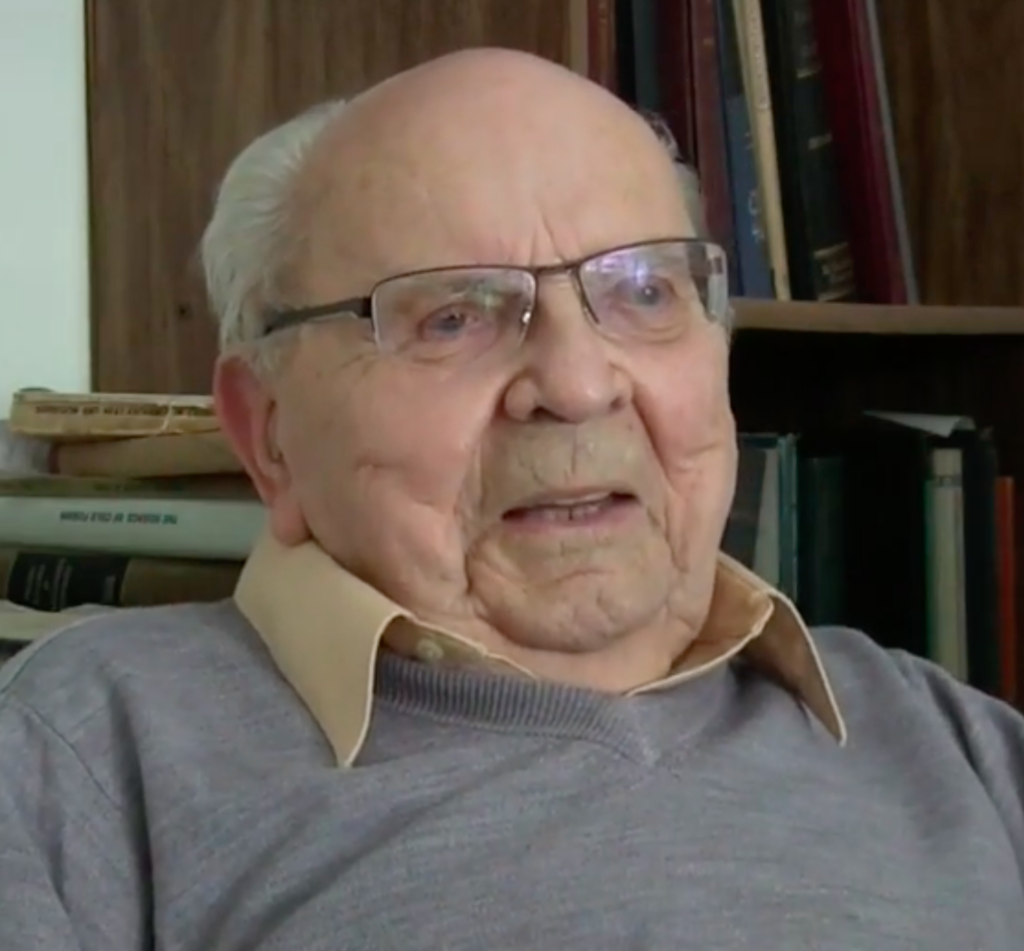
Dr Stan Szpak, January 2015
Source: Ruby Carat, Video Interviews, “Stan Szpak – LENR Co-Deposition” (Screenshot)
https://www.youtube.com/watch?v=QxBJjWzlKl0
Citation and Link for the LRDI Report on Dr. Szpak’s Book
Note 1: Dr. Dave Nagel suggested the LRDI project on Dr. Szpak’s book and approached its co-author, Dr. Frank Gordon for support of the idea. Thanks go to Dr. Gordon for his assistance. And to Dr. Nagel and Dr. Pam Mossier-Boss for reviewing the LRDI report. (Dr. Nagel’s LRDI report may be found here.) r
Note 2: The following summaries of Dr. Szpak’s LENR career and of his book have been prepared using ChatGPT.
Executive Summary
This report makes public for the first time Dr. Szpak’s unpublished book, “Chemical Aspects of the Pd/H – H2O System in Its Nuclear Active State”. The report describes and presents his book to explain the chemical systems underway during LENR. It seeks to record the book as a principal contribution of Dr. Szpak to the LENR field.
Research Career
Dr. Stanislaw Szpak established a distinguished career in electrochemistry before becoming one of the leading experimental investigators of LENR following the 1989 cold fusion announcement. He carried out long-term investigations of palladium–deuterium electrochemical systems, co-deposition methods, and surface phenomena, emphasizing careful experimentation and reproducibility.
Research Locations
The report documents research conducted primarily at the U.S. Naval Research Laboratory in San Diego, together with participation in international collaborations and scientific conferences devoted to LENR research.
Principal Collaborators
Dr. Szpak collaborated extensively with Pamela A. Mosier-Boss, Frank E. Gordon, Mel Miles, and other researchers associated with Naval research laboratories and the international LENR community. Their joint work advanced electrochemical experimentation, materials characterization, and scientific communication.
Interviews
Interviews were not conducted for the Szpak LRDI project.
Historical Significance
Dr. Szpak’s book presents the documentary record of one of the field’s most influential electrochemical LENR research programs. By combining laboratory records, publications, interviews, and supporting documentation, it provides an important primary-source resource for future historians and researchers.
Summary of Dr. Szpak;s Book
Dr. Stanislaw Szpak’s book is a comprehensive review of more than two decades of electrochemical LENR research. Rather than being a textbook or a simple collection of papers, it presents a unified interpretation of the experimental observations and the chemical processes that, in the authors’ view, lead to a “nuclear active state” in palladium–hydrogen and palladium–deuterium systems.
The book begins with the historical background of the 1989 Fleischmann–Pons announcement and explains why electrochemically loaded palladium became the focus of LENR investigations. It then develops the electrochemical foundations needed to understand hydrogen and deuterium behavior in palladium, including electrode polarization, hydrogen absorption, lattice defects, and the role of surface chemistry in creating conditions that may permit anomalous nuclear phenomena.
A substantial portion of the book is devoted to the co-deposition technique, a method pioneered by the research group at the Naval Reseaarch Laboratory in San Diego. The authors describe experimental procedures, electrode preparation, calorimetry, and the evidence they report for excess heat, charged-particle emission, transmutation products, tritium production, neutron-related phenomena, and localized high-energy events. They also discuss experimental reproducibility and the importance of carefully controlled electrochemical conditions.
The later chapters present the author’s interpretation of the “nuclear active state.” He argues that electrochemical polarization and the formation of lattice defects create conditions that enable coupled chemical and nuclear processes. The book proposes theoretical mechanisms intended to explain the experimental observations and examines how magnetic fields, current modulation, and other external influences may affect the initiation and behavior of the nuclear active state.
Overall, the book serves three purposes:
- It summarizes the electrochemical principles underlying the authors’ LENR experiments.
- It documents the experimental evidence accumulated by the SPAWAR research program over many years.
- It presents the authors’ theoretical interpretation of how a palladium–hydrogen system may become “nuclear active.”
Photos of Drs. Frank Gordon and Pam Mossier-Boss
Dr. Frank Gordon, Taken from Same Video as the Photo Above of Dr. Szpak, January 2015
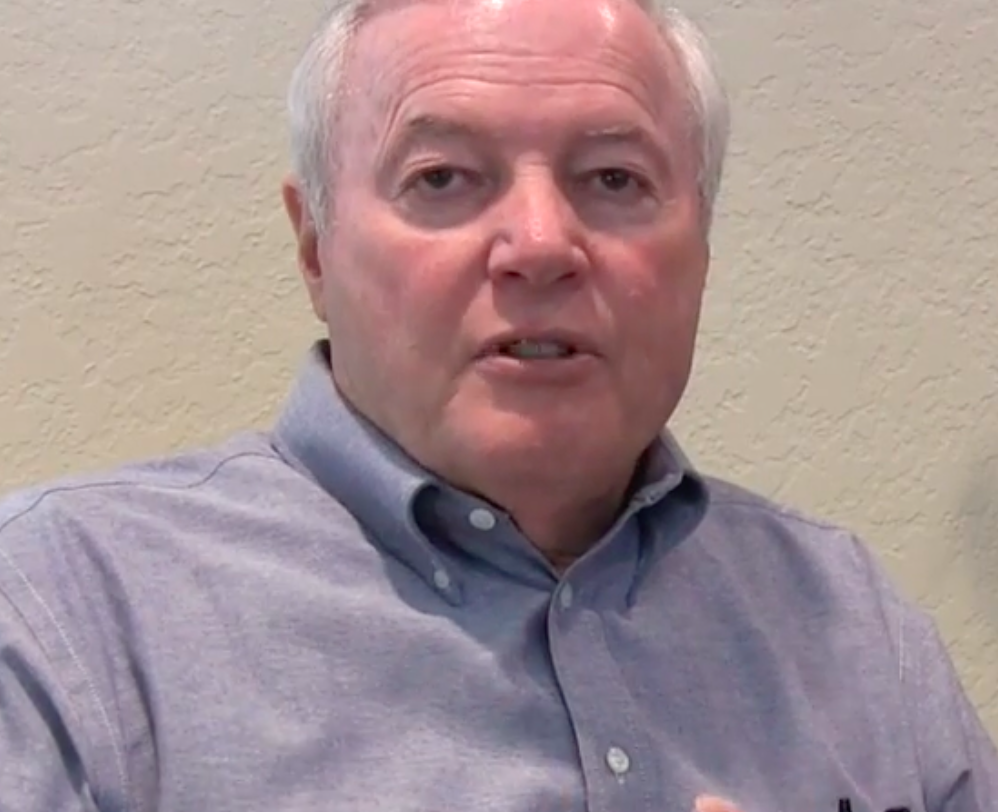
Pamela Mossier-Boss, Date Unknown. Source: Solid State Fusion
https://solidstatefusion.org/ssf-interviews/